by Kristin Holt | Feb 10, 2018 | Articles
Flour sifters are an important part of baking–today, and in the Victorian Era. Would you be surprised to learn the first flour sifter was patented by an American? See a timeline of Victorian-era advertisements for sifters and flour sieves, flour bins (canisters or extraordinary sizes) with built-in sieves, patents for early sifters and sieve holders, and a perspective of price. The advertising, alone, sheds light on why 19th century cooks were persuaded to purchase and use these devices.
by Kristin Holt | Dec 30, 2017 | Articles
Today, December 30th, is National Bicarbonate of Soda Day.
Why recognize and celebrate such an obscure “foodie” day?
Victorian-era recipes containing saleratus, pearl ash, baking soda, baking powder (and more) can be confusing… and evoke a million questions. When were each used? Which were Victorian-era developments? Which did 19th century cooks prefer?
by Kristin Holt | Nov 22, 2017 | Articles
Harvest Celebrations from the mid- to latter-half of the 19th century, as reported in newspapers in the United States, show the different types of “Harvest Customs” celebrated. Some customs and words were borrowed from various German immigrants, others were simple gatherings after the work of the harvest with time for thanksgiving and gratitude for adequate (or abundant) food to last until next harvest season.
by Kristin Holt | Aug 6, 2017 | Articles
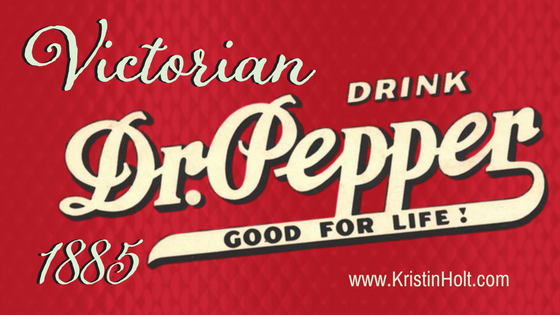
Dr Pepper was born in 1885–FIRST of national soda flavors–a result of Victorian ingenuity and creativity, in Waco, Texas. Vintage newspaper ads show the soda fountain beverage’s claim to natural, healthful medicinal value–while strictly claiming an absence of all harmful substances. I discovered interesting details I’d never heard before… Perhaps you will, too!
by Kristin Holt | Jul 27, 2017 | Articles
Hires Root Beer, from its debut in the mid-1870s, was sold as a refreshing beverage (with no medicinal expectations). The name, chosen by Charles H. Hires, to appeal to tough coal miners, who’d never find “root tea” attractive, ended up causing Hires Co. a bit of trouble with Women’s Christian Temperance Union (WCTU). Who knew that “beer” in a name, and the common knowledge that root beer extract was percolated with alcohol (though the finished drink had no more than a whole loaf of homemade bread), to cause banning of the beverage?