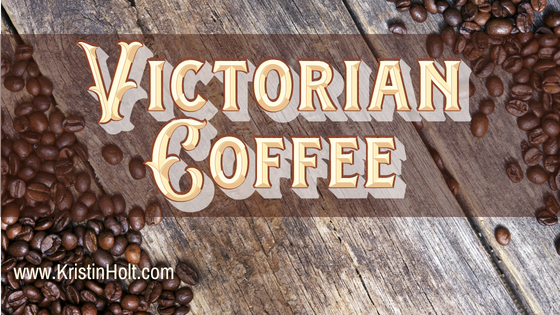
Victorian Coffee
We know coffee was an every-day commodity in the Victorian American West, but how much do you know about its availability, preparation methods, the era’s tried-and-true substitutions, and where it was purchased? Come see!

We know coffee was an every-day commodity in the Victorian American West, but how much do you know about its availability, preparation methods, the era’s tried-and-true substitutions, and where it was purchased? Come see!
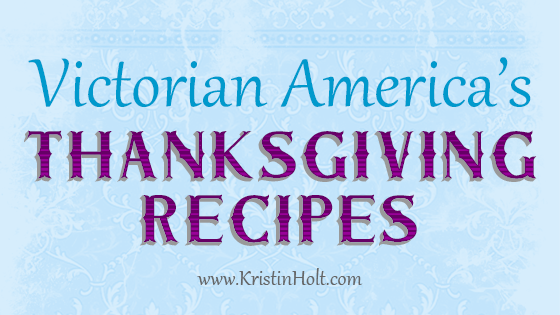
How did our Victorian-American ancestors select a turkey? How did they roast it (without a Reynold’s Oven Bag)? Were their Thanksgiving Dinner side dishes as complicated as restaurant menus made them appear?
As today is National Apple Dumpling Day, I rounded up vintage apple dumplings recipes from various sources (19th century cookbooks and 19th century newspapers) that illustrate different cooking methods and a variety of “dumpling” options, including different sauces and serving methods. Welcome, Autumn!
A key scene within Isabella’s Calico Groom (Calico Ball: Timeless Western Collection) is on Independence Day in Evanston, Wyoming Territory (a week shy of Wyoming’s acceptance into the Union as the 44th State). In keeping with the historical favorites when celebrating July 4th, the characters took note of the races–on foot, on bicycles, and in wheelbarrows. Victorian Americans enjoyed a wide range of contests with appealing prizes (cash, clothing, shoes, jewelry, etc.). Would you rather compete in a bicycle race, or in chasing a greased pig?
Nineteenth Century popular belief–wholly supported by Medical Doctors’ and scientists’ claims–genuinely believed that educating females in the same manner as males invited an entire host of disastrous results. Those terrifying results included everything from destruction to the woman’s reproductive system, mental breaks (yes, insanity!), and a long list of physical diseases. Because the vast majority believed these consequences to be true, women weren’t allowed to seek education in a male-dominated classroom. The battle over co-education continued long after the late 19th Century for these reasons. Not only was the woman’s mind and body at terrible risk, should she be educated like a male, but everyone knew a female mind couldn’t take in significant learning.