by Kristin Holt | Jul 24, 2016 | Articles
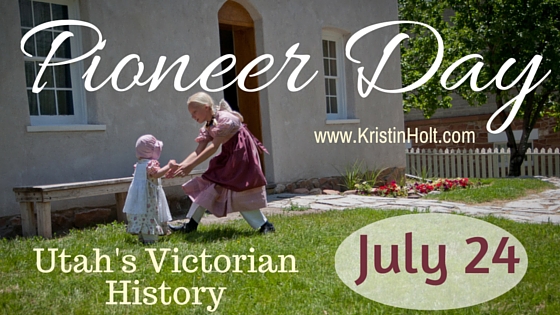
July 24th is Pioneer Day in the state of Utah, commemorating the arrival of the Mormon pioneers in the Salt Lake Valley (the first permanent Euro-American settlers) in 1847. This state-wide celebration includes everything from parades to rodeos, fireworks to pageants, Pioneer/Frontier clothing to Native American Inter-Tribal Pow-Wows, to covered wagon reenactments and picnics. Pioneer Day is inherent to Utah’s Victorian-Era, Old West history.
by Kristin Holt | Jun 26, 2016 | Articles
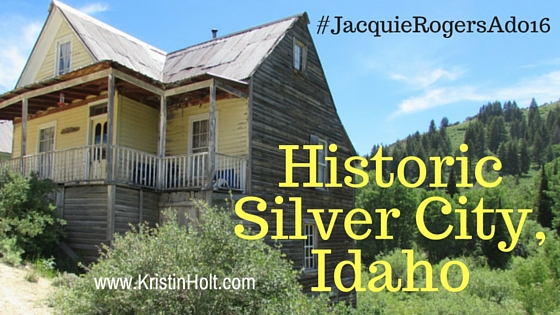
Historic Silver City, Idaho, nestled deep within the Owyhee Mountains has a rich history of gold and silver mining. The historic town is LIVING HISTORY at its finest! I share a blend of Victorian and modern photos. Historical facts about the town and county too. #JacquieRogersAdo16.

by Kristin Holt | Jun 23, 2016 | Articles
When a book and its characters linger in my mind months after I finished reading (or listening), I know it’s a keeper. Deanne Gist grabbed my full attention with FAIR PLAY. I savored every scene and chapter, often wondered where the story would go (a delicious kind of curiosity), and ultimately delivered one of the most satisfactory endings. 5 stars!

by Kristin Holt | Jun 20, 2016 | Articles
4 STARS for the 1879 title, Wired Love: A Romance of Dots and Dashes. As an amateur historian determined to learn what I could about the telegraph and its impact on American society, how it worked, and the challenges telegraphers faced, this sweet (innocent) love story fit the bill!

by Kristin Holt | May 27, 2016 | Articles
When did the term “O.K.” or “okay” find its way into common use in American English? Is it incorrect (and inaccurate) to use “okay” in 19th century fiction? What if it’s spelled “O.K.”? What does O.K. stand for, anyway? I’ve provided numerous historical newspaper articles and snippets showing the etymology and proving one of the spellings (O.K.) is highly accurate in the 19th century, but the other (okay) is not.