by Kristin Holt | Sep 5, 2016 | Articles
LABOR DAY was born of the circumstances within our Victorian-era United States Industrial Revolution. Unions wanted safer working conditions and 12- to 16-hour work days shortened to 8- or 9-hours. Strikes and protests lead to reform, and from the first Labor Day parade in 1882 peaceful Labor’s Holidays began to take root state by state until in 1894, Labor Day was declared by the President of the United States as a Federal Holiday. This article contains newspaper accounts from era papers, vintage photographs, and a dash of American history surrounding summer’s last hurrah.
by Kristin Holt | Aug 23, 2016 | Articles
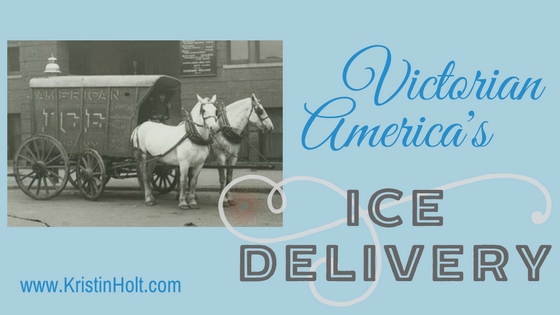
Victorian Americans needed ice–for home use, through delivery businesses, on a commercial scale (to keep food from spoiling at the grocery and in railroad transportation). Ice houses were built all over the United States from the independent family’s ice house on their property to the enormous commercial Swift & Co. Ice House storing 60,000 tons annually. Ice harvesting occurred in January and February and kept in storage facilities until the following winter by applying ingenuity, science, and hard work. Men used saws, horse-drawn sleighs, and the strength of their own backs to harvest the cash crop each winter. This article contains vintage photographs, newspaper ads, and science info of the Victorian era.
by Kristin Holt | Jun 26, 2016 | Articles
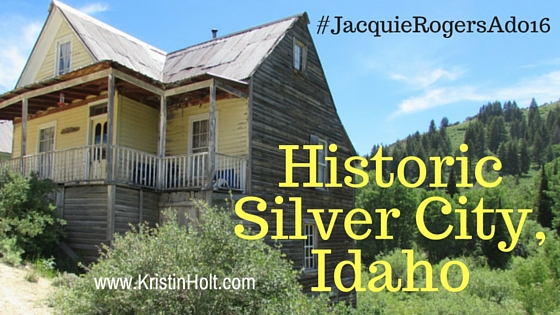
Historic Silver City, Idaho, nestled deep within the Owyhee Mountains has a rich history of gold and silver mining. The historic town is LIVING HISTORY at its finest! I share a blend of Victorian and modern photos. Historical facts about the town and county too. #JacquieRogersAdo16.
by Kristin Holt | Jun 11, 2016 | Articles
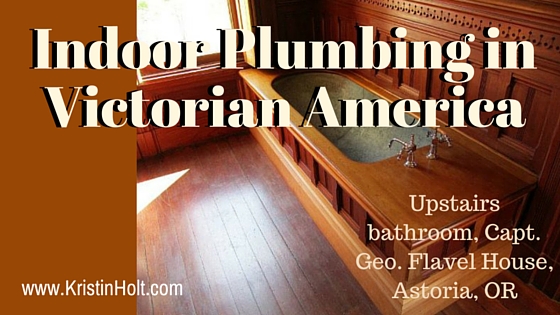
The history of indoor toilets (including those that flush) goes back further into history than you might expect. I share the timeline of such facilities, followed by surviving examples of Victorian indoor toilets, schematics of proper plumbing techniques of the day, and floor plans including indoor tubs and toilets. Victorians–at least late Victorians–had life pretty comfortable.
by Kristin Holt | May 27, 2016 | Articles
When did the term “O.K.” or “okay” find its way into common use in American English? Is it incorrect (and inaccurate) to use “okay” in 19th century fiction? What if it’s spelled “O.K.”? What does O.K. stand for, anyway? I’ve provided numerous historical newspaper articles and snippets showing the etymology and proving one of the spellings (O.K.) is highly accurate in the 19th century, but the other (okay) is not.